Facial Trauma Treatment: How To Tell a Bruise From a Fracture
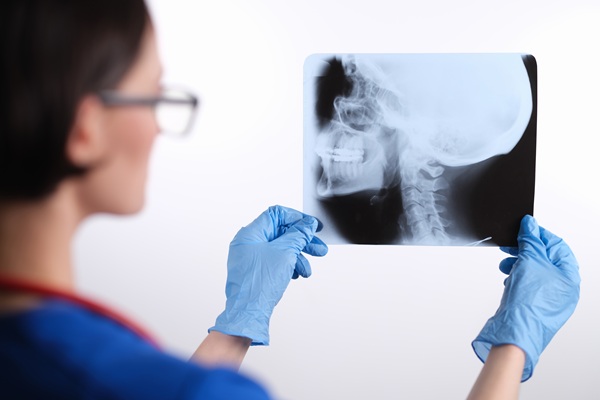
Facial trauma treatment may become necessary after a fall, sports injury, accident, or direct blow to the face. Some injuries cause only bruising and swelling, while others involve fractures that need prompt evaluation. Because the symptoms can overlap, an oral and maxillofacial surgeon can help determine the extent of the injury and recommend appropriate care. Recognizing the differences between bruising and a possible fracture can help patients know when to seek facial trauma treatment.
When facial trauma treatment may be necessary
Facial trauma treatment depends on which tissues and structures the injury affects. A bruise typically involves damage to small blood vessels beneath the skin, which can cause discoloration, tenderness, and swelling. These symptoms often improve gradually as the body heals.
A fracture occurs when trauma breaks one or more facial bones. Fractures may involve the nose, cheekbones, jaw, eye socket, or other structures. Because facial bones support important functions such as chewing, speaking, breathing, and vision, an oral and maxillofacial surgeon should evaluate symptoms that suggest more than a minor soft-tissue injury.
Signs that may point to a bruise
Bruising often causes localized soreness, mild swelling, and skin discoloration that changes over several days. The area may feel tender to the touch, but normal facial movement and function usually remain intact. Symptoms should generally become less noticeable as healing progresses.
However, swelling can sometimes make it difficult to judge the severity of an injury based on appearance alone. A significant impact can cause both bruising and a fracture at the same time. Persistent or worsening symptoms deserve professional evaluation.
Signs that may indicate a fracture
Certain symptoms raise more concern for broken facial bones. Facial asymmetry, difficulty opening or closing the mouth, a change in the way the teeth fit together, numbness, double vision, or unusual movement of part of the face may suggest a fracture. Severe pain or swelling that does not improve can also indicate a more significant injury.
An oral and maxillofacial surgeon may use X-rays or advanced imaging to assess the bones and surrounding structures. Facial trauma treatment can then address the specific location and severity of the fracture while protecting facial function and appearance.
What treatment may involve
Minor bruising may improve with rest, cold compresses, and other supportive measures recommended by a healthcare professional. Fractures require a more individualized approach. Some stable fractures may only need monitoring, while displaced or complex fractures may require surgical repair to restore proper alignment.
Facial trauma treatment may also address damage to teeth, soft tissues, or jaw function when the injury affects multiple areas. An oral and maxillofacial surgeon can coordinate care based on the full extent of the trauma.
Know when to seek care
Any significant facial injury deserves careful attention, especially when symptoms affect vision, breathing, the bite, or normal jaw movement. Prompt evaluation can distinguish a simple bruise from a fracture and help reduce the risk of lasting functional problems. Call our office for more information or to schedule a facial trauma evaluation.
Request an appointment here: https://www.drjstearns.com or call Platte Valley Oral Surgery at (303) 997-0220 for an appointment in our Denver office.
Check out what others are saying about our services on Yelp: Facial Trauma Treatment in Denver, CO.
Recent Posts
Tooth extraction require careful oral hygiene during recovery to protect the healing socket and reduce the risk of complications. Although it is important to keep the mouth clean, brushing and rinsing too aggressively can interfere with the healing process. As a general dentist, we provide clear aftercare instructions that help patients recover comfortably while supporting…
A sinus lift is a surgical procedure often performed by an oral surgeon to prepare the upper jaw for dental implants. This procedure involves lifting the sinus membrane and adding bone graft material to the sinus cavity to create sufficient bone height for implants. While the procedure is highly effective for individuals with insufficient bone…
Oral bone grafting procedures can help restore mouth functionality, health, and appearance. These surgical procedures vary in type and extent. Continue reading to learn more about dental bone grafts, the surgical grafting process, and why someone might need oral bone grafts.Surgeons perform bone grafts throughout the body. Oral bone grafting occurs in the mouth, usually…
A regular dentist can refer you to an oral surgeon if you need more dental care. This type of surgeon can perform procedures that can improve the face, mouth, or neck. Understanding the reasons for a referral to this provider can help you prepare for your procedure. Here are the reasons your dentist will refer…