Understanding Bone Grafting: How It Restores Jawbone Health and Strength
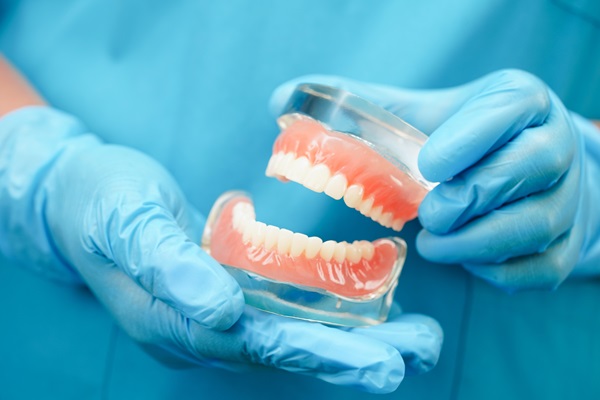
The jawbone is the part of the face that holds many essential elements together, such as the teeth, ligaments, and muscles; however, bone grafting may sometimes be necessary if the jawbone is too weak to perform these tasks. A person’s jawbone can deteriorate over time, whether due to age, genetics, poor oral health, cancer, or any of a variety of other reasons.
The good news is that bone grafting can restore the jawbone to functional strength and health. While the process cannot be completed in just a day or two, its results are long-lasting and can open the way for other useful treatments.
How bone grafting works
Bone grafting is the process of bulking up the jawbone so it is stronger and less brittle, narrow, or fragile than before. Not all patients will need bone grafts, but those who do should understand what goes into the process.
Who needs bone grafting?
Most patients will go their lives without requiring a bone graft to have dental work done. However, in some cases, a bone graft is necessary for dental procedures like implant placement. A person will typically need a bone graft when their jawbone does not have enough support or material to withstand a procedure.
For instance, dental implants require that a metal post be screwed into the jawbone, onto which a false tooth can be affixed. This is a useful tooth replacement option, as the metal post replicates the biting forces of a tooth root. However, if a person’s jawbone is not strong enough to hold the post, the implant post may shift and move, leading to a failed implant. This is one case in which a bone graft could be necessary.
How bone grafting is done
To perform a bone graft, the dentist will collect bone tissue from somewhere else in the body. This is often the roof of the mouth, but it can also come from the chin, the hip, or even a bank of other people’s bone tissue. Then, the dentist will place this grafted bone material onto the weakened area. Over time, the new tissue will fuse with the existing bone to become denser and stronger.
The recovery process
A bone graft can take a while to recover from, but it is only the first few days that pose the greatest inconvenience. Since bone grafts access the bone underneath the skin or gums, patients will need to eat a soft food or liquid diet to enable the surgical site to heal.
Afterward, they can manage their pain with over-the-counter pain relief options. Then, it is simply a matter of waiting (often for around six months) for the new bone to fuse with the existing structures.
Get bone grafting to restore jawbone health
A bone graft is an in-depth process, but it can open up many possibilities for dental implants and other restorations that may not have been possible otherwise. Our experienced team can help you recover quickly from a bone graft so you can get back to living your life to the fullest. Contact our office to ask questions about a potential bone graft, to address any of your concerns, or to schedule an appointment for evaluation.
Request an appointment here: https://www.drjstearns.com or call Platte Valley Oral Surgery at (303) 997-0220 for an appointment in our Denver office.
Recent Posts
Tooth extraction require careful oral hygiene during recovery to protect the healing socket and reduce the risk of complications. Although it is important to keep the mouth clean, brushing and rinsing too aggressively can interfere with the healing process. As a general dentist, we provide clear aftercare instructions that help patients recover comfortably while supporting…
A sinus lift is a surgical procedure often performed by an oral surgeon to prepare the upper jaw for dental implants. This procedure involves lifting the sinus membrane and adding bone graft material to the sinus cavity to create sufficient bone height for implants. While the procedure is highly effective for individuals with insufficient bone…
Oral bone grafting procedures can help restore mouth functionality, health, and appearance. These surgical procedures vary in type and extent. Continue reading to learn more about dental bone grafts, the surgical grafting process, and why someone might need oral bone grafts.Surgeons perform bone grafts throughout the body. Oral bone grafting occurs in the mouth, usually…
A regular dentist can refer you to an oral surgeon if you need more dental care. This type of surgeon can perform procedures that can improve the face, mouth, or neck. Understanding the reasons for a referral to this provider can help you prepare for your procedure. Here are the reasons your dentist will refer…