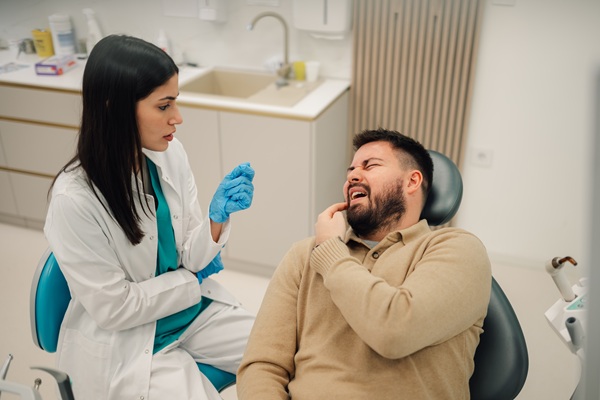
Corrective jaw surgery is often recommended by dentists and oral surgeons to address functional problems, such as difficulty breathing or chewing, and chronic discomfort caused by a misaligned jaw or bruxism. This review discusses several important questions to ask your oral surgeon during a corrective jaw surgery consultation.
Oral surgeon consultation: Questions to ask about corrective jaw surgery
Corrective jaw surgery has helped many patients feel and function better daily. However, the process can also be intimidating. It is helpful to come into the consultation with an oral surgeon with a list of questions, such as those discussed here.
What is corrective jaw surgery?
Patietns should first have the oral surgeon explain what corrective jaw surgery is. Also called orthognathic surgery, it is a relatively broad term that refers to jaw surgery that corrects imperfections with the function, shape, and structure of the jaw. Corrective jaw surgery is performed by oral surgeons and typically involves the use of general anesthesia.
Is corrective jaw surgery recommended for me?
There are several reasons that jaw surgery may be recommended by an oral surgeon. It could be used to address structural bite concerns with the jaw, such as underbites, overbites, and crossbites (class II and III malocclusions). It may also be recommended to address breathing issues or obstructive sleep apnea, which is often caused by skeletal deformities. Treatment for obstructive sleep apnea and breathing issues involves moving the jaw to open the airway. Corrective jaw surgery may be recommended as a part of a cosmetic treatment plan.
What can I expect before, during, and after the procedure?
Treatment before corrective jaw surgery may be necessary, such as presurgical orthodontics. The surgical procedure can take between two and six hours, depending on the specific goals of treatment. There is typically discomfort for up to two weeks after the procedure, during which the patient should arrange for time away from work or school.
What are the benefits of corrective jaw surgery?
The benefits of corrective jaw surgery depend on the goals. Common benefits achieved through corrective jaw surgery include improved breathing by opening the airways (both while awake and asleep), an improved bite position, improved speech, and a more desirable appearance.
How can I make a fast recovery after corrective jaw surgery?
Recovery can take up to two weeks. Any discomfort can be managed with pain medication prescribed by the oral surgeon and at-home remedies (e.g., ice packs). It is important to follow the recovery plan provided by the oral surgeon to ensure the fastest recovery possible.
Schedule a consultation today to discuss corrective jaw surgery
You should schedule a corrective jaw surgery consultation if you have not found relief for your jaw-related concerns through non-surgical treatment methods. We can treat a range of complications with corrective jaw surgery, and we can explain all your options for treatment in greater detail during a consultation.
Request an appointment here: https://www.drjstearns.com or call Platte Valley Oral Surgery at (303) 997-0220 for an appointment in our Denver office.
Recent Posts
Tooth extraction require careful oral hygiene during recovery to protect the healing socket and reduce the risk of complications. Although it is important to keep the mouth clean, brushing and rinsing too aggressively can interfere with the healing process. As a general dentist, we provide clear aftercare instructions that help patients recover comfortably while supporting…
A sinus lift is a surgical procedure often performed by an oral surgeon to prepare the upper jaw for dental implants. This procedure involves lifting the sinus membrane and adding bone graft material to the sinus cavity to create sufficient bone height for implants. While the procedure is highly effective for individuals with insufficient bone…
Oral bone grafting procedures can help restore mouth functionality, health, and appearance. These surgical procedures vary in type and extent. Continue reading to learn more about dental bone grafts, the surgical grafting process, and why someone might need oral bone grafts.Surgeons perform bone grafts throughout the body. Oral bone grafting occurs in the mouth, usually…
A regular dentist can refer you to an oral surgeon if you need more dental care. This type of surgeon can perform procedures that can improve the face, mouth, or neck. Understanding the reasons for a referral to this provider can help you prepare for your procedure. Here are the reasons your dentist will refer…